

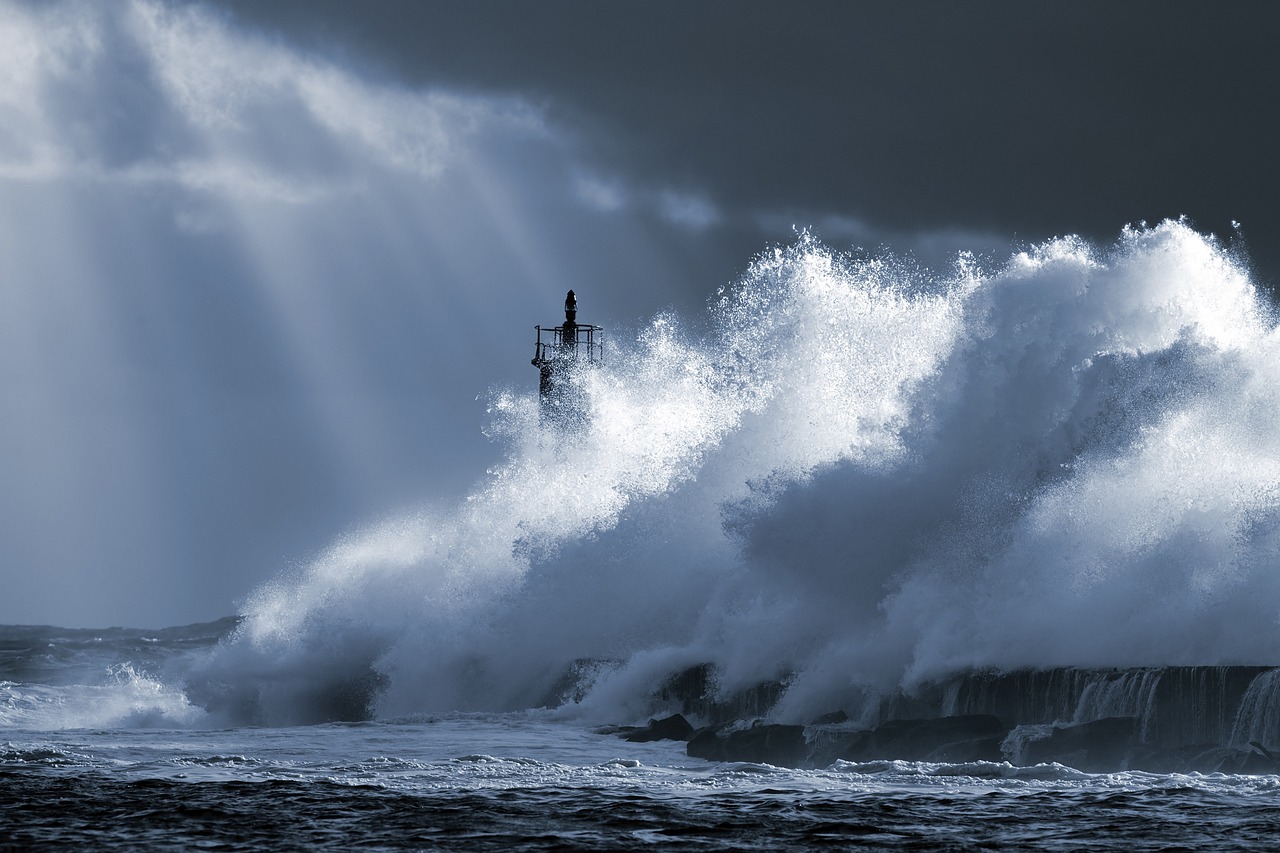
“폭풍”은 영어로 “storm” 또는 “tempest”로 번역됩니다. 이 표현은 강한 바람과 비, 또는 기타 기상 현상이 결합된 자연 현상을 의미합니다.
“폭풍”을 영어로 표현하는 방법
- Storm
- Tempest
- Gale
1. Storm
“Storm”은 폭풍의 일반적인 표현으로, 다양한 기상 조건을 포함할 수 있습니다.
- “The storm caused significant damage to the coastal areas.” (폭풍은 해안 지역에 상당한 피해를 입혔다.)
- “Storm warnings were issued as dark clouds gathered.” (어두운 구름이 모여들자 폭풍 경고가 발령되었다.)
- “People were advised to stay indoors during the storm.” (사람들은 폭풍 동안 실내에 머무를 것을 권고받았다.)
- “A powerful storm swept through the region, leaving destruction in its wake.” (강력한 폭풍이 지역을 휩쓸어 파괴를 남겼다.)
2. Tempest
“Tempest”는 강력한 폭풍을 의미하며, 문학적이고 구어체적인 표현으로 사용됩니다.
- “The ship was tossed about by the tempest at sea.” (배는 바다에서 폭풍에 휘둘렸다.)
- “In literature, a tempest often symbolizes turmoil and conflict.” (문학에서 폭풍은 종종 혼란과 갈등을 상징한다.)
- “The tempest raged on for hours, testing the endurance of the sailors.” (폭풍은 몇 시간 동안 계속되어 선원들의 인내를 시험했다.)
- “He faced the tempest of his emotions with courage.” (그는 감정의 폭풍을 용기 있게 맞섰다.)
3. Gale
“Gale”는 강한 바람을 나타내며, 특히 해양 기상에서 자주 사용됩니다.
- “The gale-force winds knocked down trees and power lines.” (강한 바람이 나무와 전선들을 쓰러뜨렸다.)
- “Sailing in a gale requires skill and experience.” (강풍 속에서 항해하는 것은 기술과 경험이 필요하다.)
- “Gale warnings were issued for the coastal regions.” (해안 지역에 강풍 경고가 발령되었다.)
- “The gales swept through the valley, howling fiercely.” (강풍이 계곡을 휩쓸며 맹렬하게 울부짖었다.)
“폭풍”은 자연의 힘을 상징하며, 때로는 사람의 감정이나 상황을 비유적으로 나타내는 데에도 사용됩니다.